

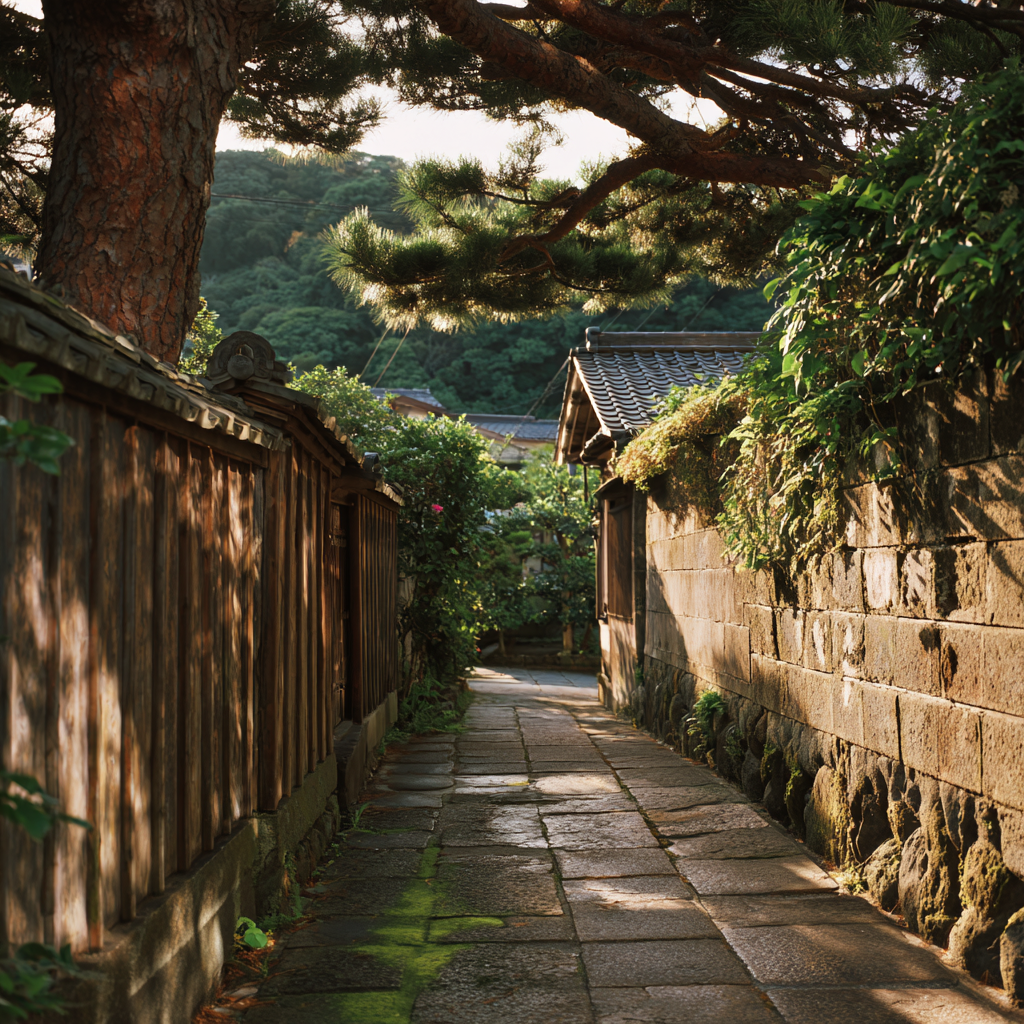
Still performing. Not recovering.
A private recovery program in Kamakura, Japan.
For people who need more than time off.
Not a retreat. Not a clinic.
A structured private program.
For people who are still functioning — but can no longer recover on their own.
One client at a time.
No groups. No shared space.
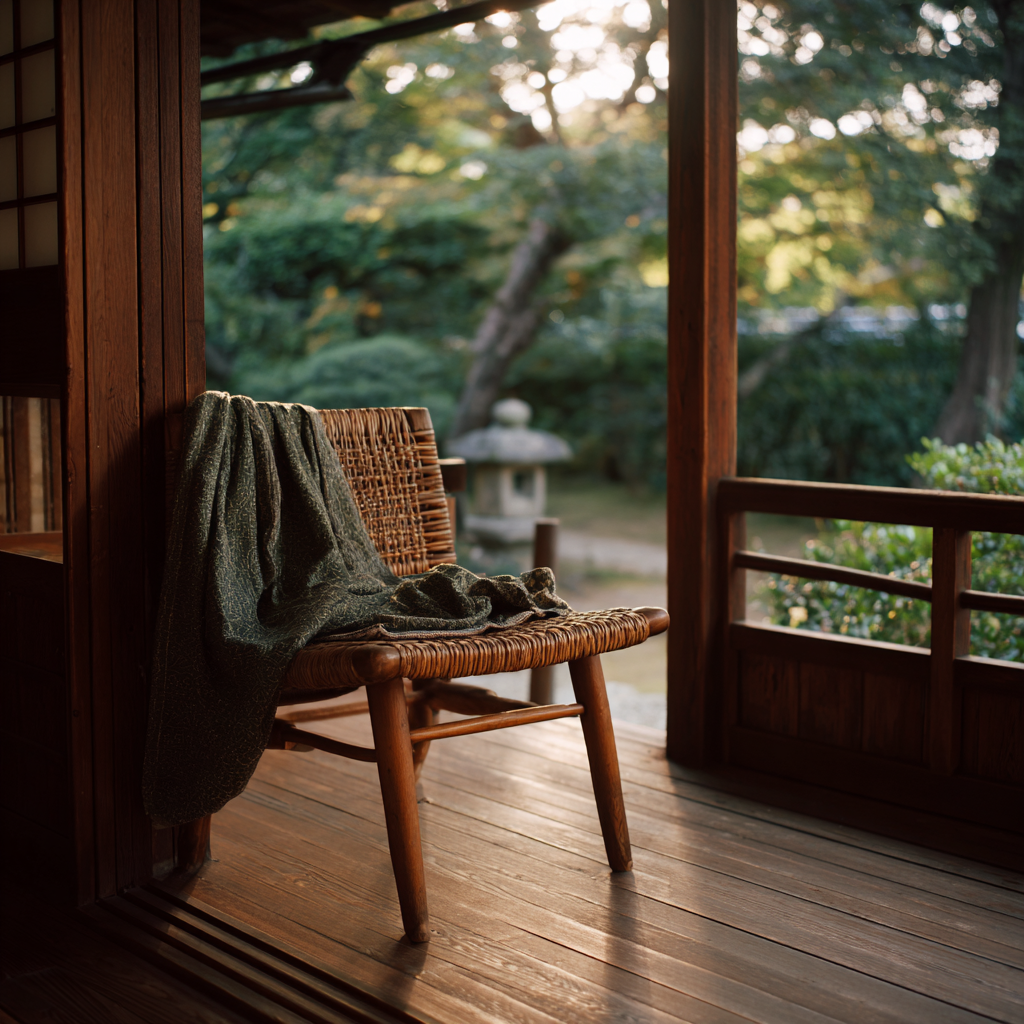
Two to three weeks in a private residential environment.
Sleep, energy, and clarity stabilise.
Minimum 2-week stay. Limited availability.
Who This Is For
On the outside, things seem to be working. Underneath, they're not.
Left alone, these patterns compound. They don't resolve.
Can't switch off — even on weekends, even on holiday
Resting but not recovering — sleep doesn't actually reset you
Still delivering, but it's costing more than it used to
Always checking, scrolling, or needing something on to wind down
Decisions that used to feel simple now take more out of you
Relying on alcohol or something else to get through or switch off
Weekends don't feel like weekends anymore
Guilty for stopping. Exhausted from continuing.
The drive is still there. The direction isn't.
You try to reset. The pattern comes back within days.
At this point, trying harder won't fix it. The environment has to change.
What a Stay Looks Like
Each stay is individually designed, but built around a consistent foundation.
Private residence in Kamakura — one client at a time
Consistent one-to-one support throughout the stay
Therapeutic sessions integrated into each day
Meals prepared daily by a private chef
Bodywork, movement, and physical training
Time outdoors — coastline, forest, walking
Meditation and guided reflection
A steady daily rhythm, shaped around the individual
How The Program Works
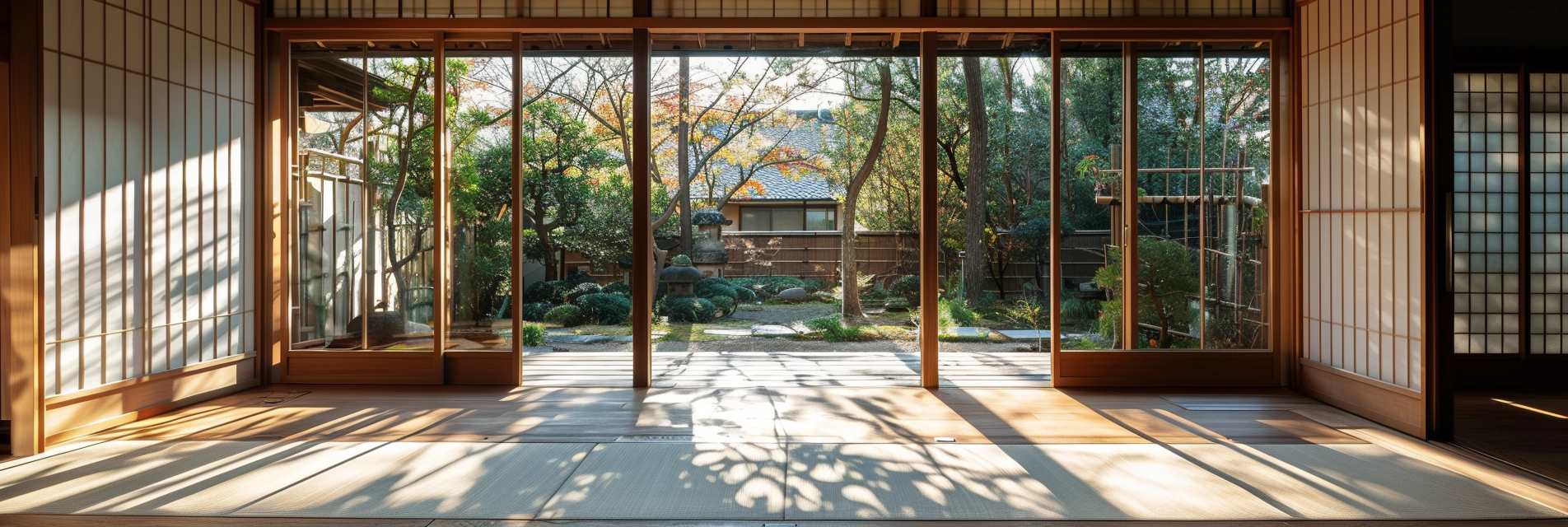
Each stay is private and individually designed - one client at a time, guided throughout
by experienced practitioners.
The structure is intentionally simple. Once the environment has begun to shift your state, the program focuses on stabilising that change through a consistent daily rhythm.
Days follow a small number of consistent elements: movement, therapeutic conversation, time outdoors, and seasonal Japanese meals. Restorative practices such as massage, bathing, or bodywork to help support physical recovery. Cultural practices — such as tea ceremony, calligraphy, or meditation — can be included not as experiences, but as practices that deepen presence.
Phones and screen time are carefully managed.
These elements are not complex. What matters is that they are done consistently, within an environment that supports them.
Over two to three weeks, this restores something fundamental — stable sleep, steady energy, and clearer thinking. Not as ideas, but as lived experience.

Outcomes
By the end of the stay, clients experience a shift in how they function.
Sleep becomes more regular and restorative. Energy stabilises. Thinking becomes clearer and less reactive.
Decisions that previously felt complex often become more straightforward. Perspective returns.
What changes is not just how they feel, but how they function — because the change was built through lived experience, not just conversation.
Over two to three weeks, healthier patterns of sleep, movement, eating, and reflection are not just introduced — they are repeated until they become familiar. By the time the program ends, these patterns have been lived — not just discussed
The aim is not to create a temporary reset, but to establish a way of functioning that can be sustained beyond the program.
Real change begins with a different environment.
How This Works Differently
Most attempts to change focus on what you do — your thinking and behaviour.
But they leave you in the same environment that shapes those patterns.
Even when you’re removed from your usual surroundings, you’re often placed somewhere neutral. You rest. You work on yourself. But the environment around you isn’t actively helping.
The Sanctuary Japan works differently.
Here, the environment is not neutral. It actively shapes how you think, move, and respond.
From the moment you arrive, your surroundings begin to reduce noise, remove friction, and change how you naturally respond. Slowing down is no longer something you have to force. It becomes the easiest way to be.
Here, you are not relying on effort alone.
The environment does much of the work.
The Environment
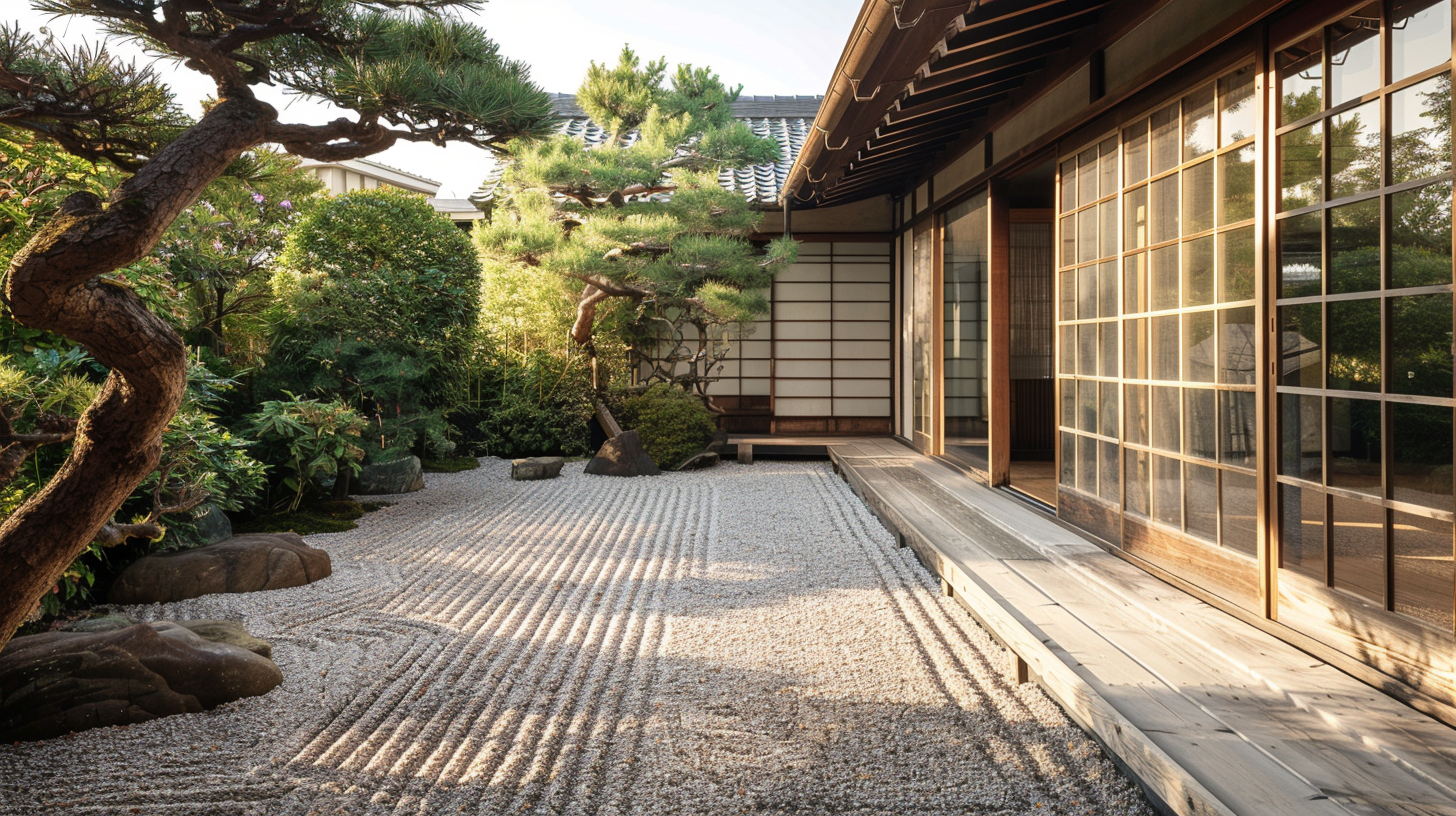
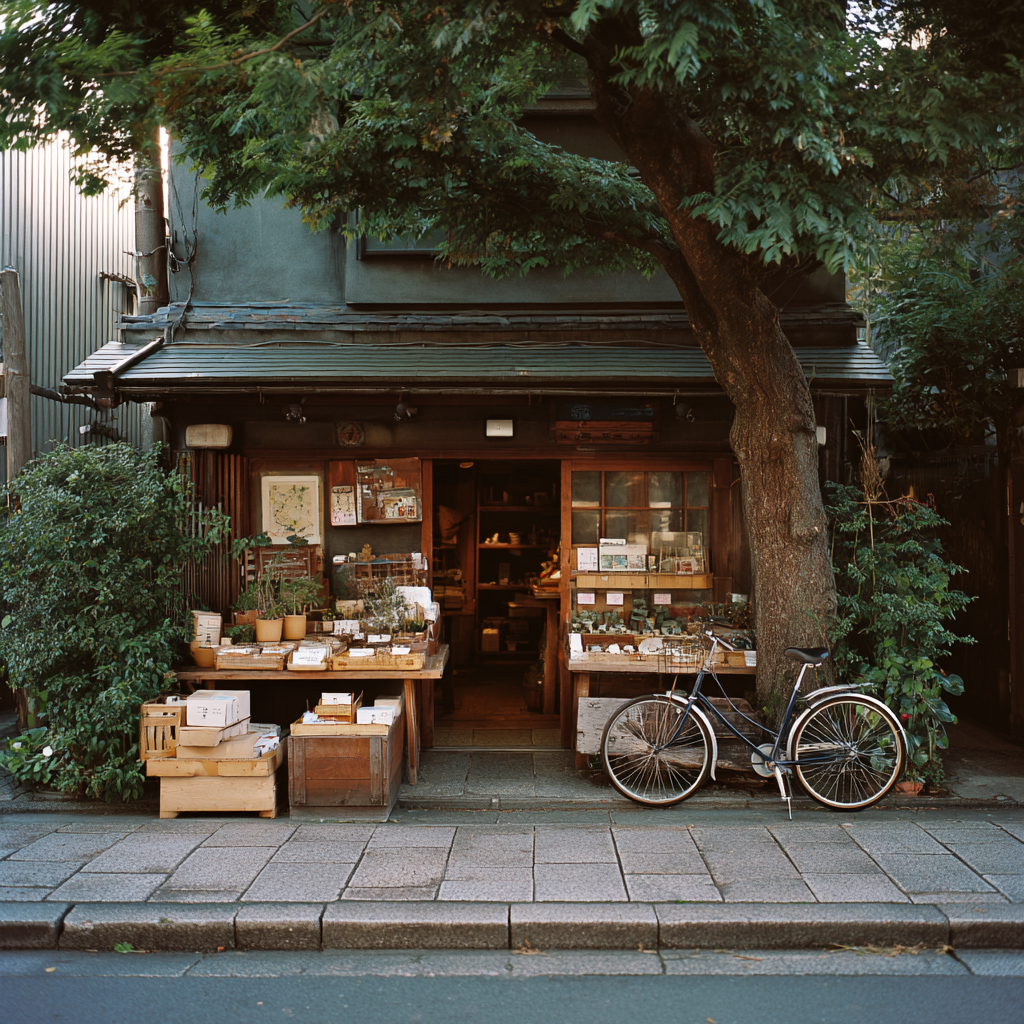
The program takes place in Kamakura, a small coastal town about one hour from Tokyo.
But what matters is not simply the location — it’s how the environment affects you.
Daily life here follows a different rhythm.
Public spaces are quiet. Movement is measured. Interactions are restrained and respectful.
Everything around you — the way a garden is composed, the care in how food is prepared and presented, the attention to small details — reflects a level of consideration that is hard to find elsewhere.
Without being told, you begin to adjust.
You walk more slowly. You notice more. You become less reactive and more present.
The change is not something you have to force.
It happens in response to what surrounds you.
In most programs, that state has to be created through effort — in sessions, through exercises, through discipline. Here, the environment creates it for you. And it does so continuously, not just at scheduled times.
This is why the setting matters.
Because you are already in a different state when the work begins.
How People Find Us
Most people arrive having already tried to reset on their own. Time off. Changes in routine. Pushing through. Nothing shifted significantly.
Often, someone they trust has pointed them in this direction — a psychologist, advisor, executive coach, or family member — when it becomes clear that stepping away alone isn't enough.
What they have in common is simple: they know something needs to change — and they know it won't happen in the same environment.
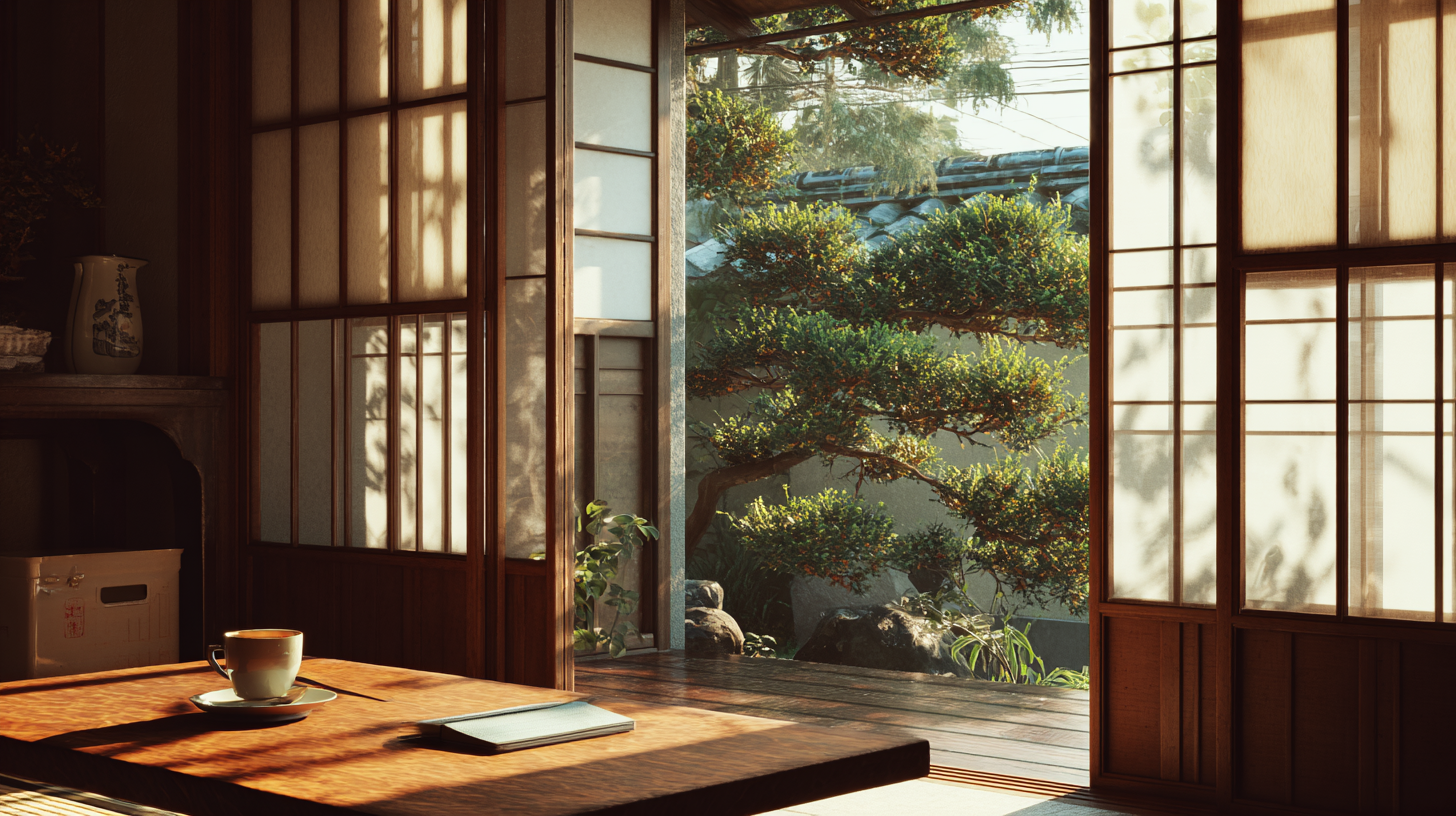
The aim is not a temporary escape — but a shift in how you function.
Privacy
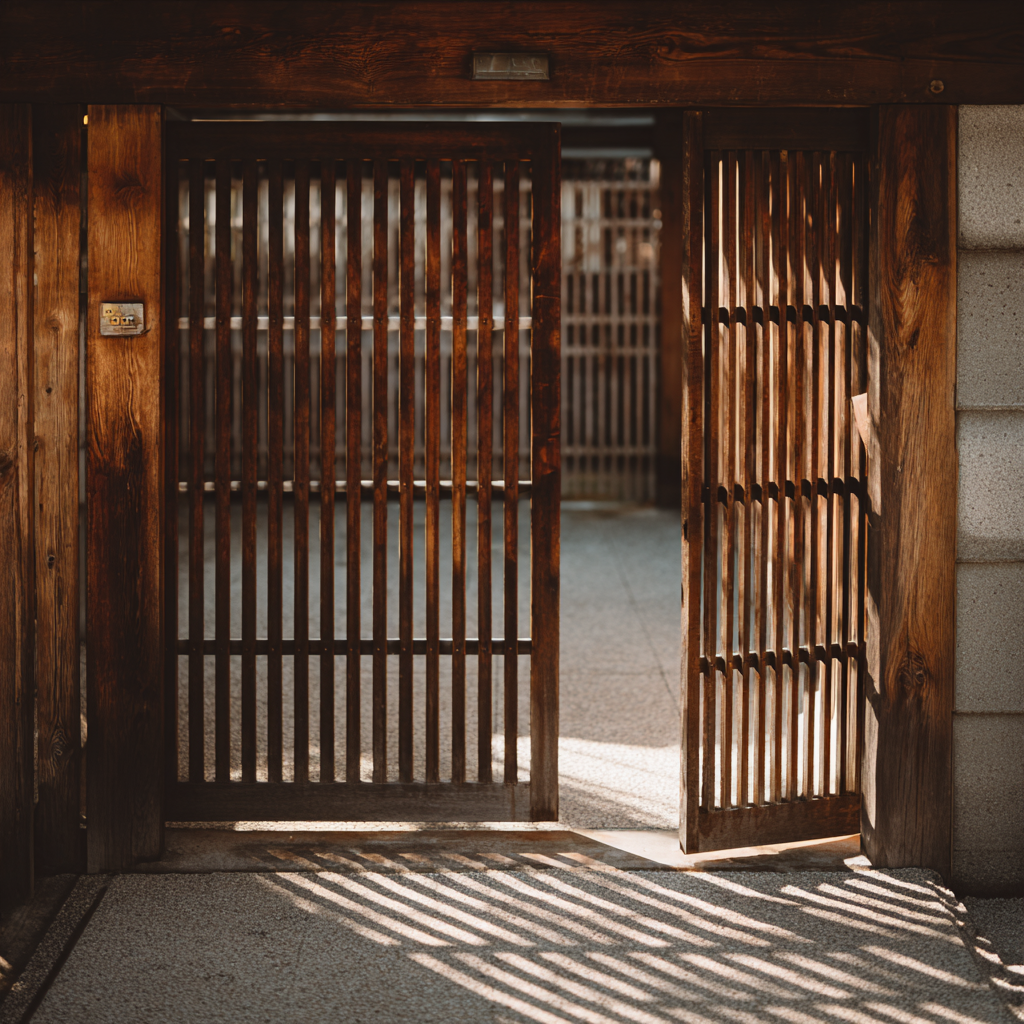
Privacy is fundamental to the program.
Only one client is hosted at a time. There are no group sessions, shared accommodation, or public-facing programs.
The residence provides a calm and discreet environment where individuals can step away from daily pressures while receiving consistent support.
All enquiries and discussions are handled confidentially.
The Sanctuary group has many years of experience working discreetly with individuals in public or high-responsibility roles.
Professional Foundation
The Sanctuary Japan forms part of The Sanctuary World, founded by Dr Robert Walsh.
Dr Walsh has worked for many years supporting individuals facing addiction, burnout,
and complex life challenges.
His approach emphasises dignity, stability, and professional therapeutic support.
The Sanctuary Japan applies these principles within a private residential setting.
Common Questions
If you're considering the program
-
Pricing is discussed during the initial conversation, once we understand the likely length and scope of the stay. The program is all-inclusive — accommodation, meals, practitioner time, activities, and support are covered. We don't publish rates publicly, but all costs are set out transparently before any commitment is made.
-
Days are structured but unhurried — a consistent rhythm of movement, meals, time outdoors, and conversation with your practitioner. Morning might begin with a walk and a simple breakfast before a session with your practitioner. Afternoons might include bodywork, a light hike or a cultural practice. The same simple elements repeat each day, by design. It is the consistency — not the variety — that creates stability.
-
The minimum stay is typically 14 days. Shorter stays do not allow enough time for daily rhythm to stabilise. Length is discussed during the initial enquiry based on your specific situation.
-
Most people arrive alone, and the program is designed for one individual — it is not a couples or group program. If there are particular circumstances — health, travel, or otherwise — that make independent arrival difficult, we can discuss what's possible. Once you're here, the program is yours entirely.
-
The program is private by design — one client at a time, no shared spaces, no group settings. Enquiries and all subsequent communications are handled in strict confidence. The Sanctuary group has many years of experience working discreetly with individuals in public and high-responsibility roles.
-
Phone and communication access is discussed during the intake conversation and managed individually. Most people find that agreeing to some boundaries around availability — even partial ones — is part of what makes the stay effective. We work with you on what's realistic.
-
No. This is a private, non-clinical program. We do not provide medical treatment, prescribe medication, or manage clinical detox. If your situation requires medical oversight, we will say so clearly and can assist with appropriate referrals.
-
Before the stay ends, we work with you to build a simple, portable structure for daily life at home — something practical that doesn't depend on being here. What that looks like depends on your situation and what you've worked on during the stay. Post-stay contact can be arranged where appropriate.
If you're enquiring on behalf of someone
-
You can make an initial enquiry entirely in your own name — you don't need to identify the individual at this stage. We regularly speak with advisers, family office staff, and trusted intermediaries before any client contact is made. Discretion at every stage is standard practice.
-
We begin with a confidential conversation to understand the situation. If the program appears to be a reasonable fit, we invest considerable time working with you — and where appropriate, the individual — to design the stay before anyone arrives. The program is tailored in detail: structure, pace, practitioners, and daily rhythm are all shaped around the specific person and what they need. There is no obligation at any point, and no pressure to proceed.
-
It can be, depending on the nature and stage of the issue. This program is appropriate for non-acute situations — where the person is stable and does not require medical supervision or clinical detox. If there is any uncertainty, we will discuss it honestly and, where necessary, point to more appropriate options.
-
We don't recommend introducing TSJ until there is at least some openness — however ambivalent. Resistance is common, and we can discuss how to frame the conversation. What we're not is a coercive placement. The program works because the person chooses to engage with it.
-
In straightforward situations, placement within three to four weeks is generally possible. We keep availability limited by design — one client at a time — so it's worth making contact early if the need is likely. We will always be honest about current availability.
-
We don't provide references or share information about past or current clients under any circumstances. The confidentiality that protects our clients also protects yours. What we can offer is a direct conversation about the program and our approach.
-
A clinical program or rehab involves medical oversight, formal treatment protocols, and typically a group setting. This is none of those things. It's a private, structured residential program for individuals who are stable but need separation from their environment and a period of consistent daily rhythm. For many people, that distinction matters considerably.
-
There is no medical staff on site. For situations that require medical oversight — including detox — this program is not appropriate, and we will say so. Where a medical need arises unexpectedly during a stay, we have access to local medical professionals and a clear protocol for escalation.
Confidential Enquiries
If something on this page has resonated, the next step is a brief, confidential conversation.
We can explain how the program works, answer any questions, and help determine whether it's the right fit — for you or for someone you support.
All enquiries are handled in strict confidence and without obligation.
Minimum 2-week stay. Limited availability.